
D2R2P Logo


Aberrant alternative splicing and splice-site variants

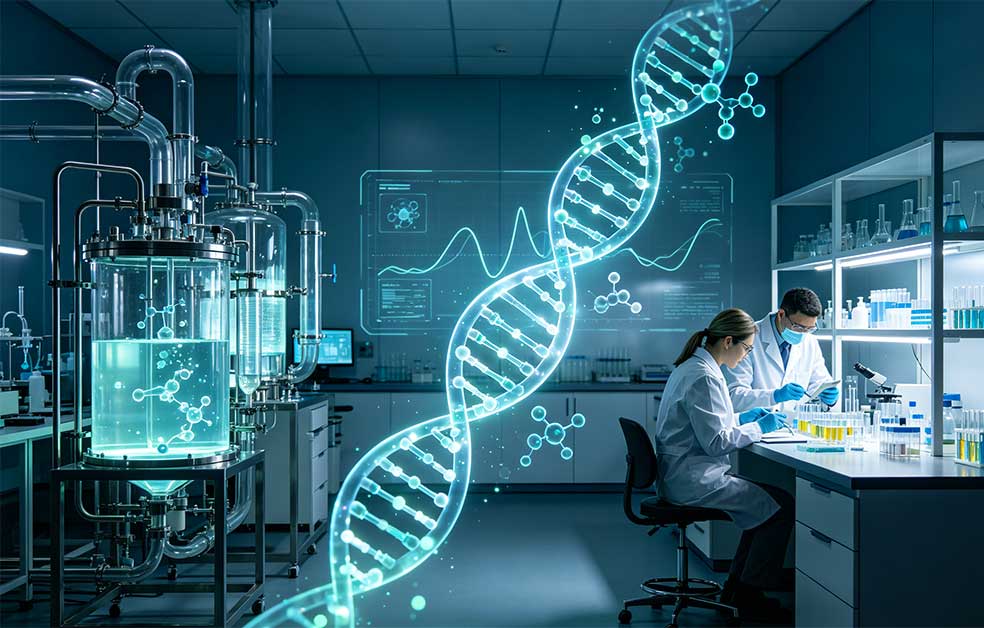
Multi-omics integrates diverse biological data layers—genomics, epigenomics, transcriptomics, and proteomics—to build a comprehensive molecular picture of disease. By analyzing the genome (DNA), transcriptome (RNA), and functional protein products simultaneously, researchers can uncover regulatory networks, biomarkers, and therapeutic targets that a single-omics approach would miss.

Our platform enables seamless multi-omic profiling from a single sample, preserving both genetic and epigenetic information. This integrated view empowers drug discovery programs with deeper mechanistic insight and higher-confidence target validation.

  • Simultaneous DNA methylation and mutation detection
  • Integrated transcriptomic and proteomic correlation analysis
  • Single-sample multi-omic library preparation
Tumor-type prediction based on gene expression

Easy (targeted) approaches rely on predefined panels or primer sets to enrich known regions of interest. They offer fast turnaround, simplified data analysis, and lower cost per sample—ideal for clinical routine and monitoring known variants.

De novo (discovery) approaches require no prior knowledge of the genome. Whole-genome or whole-transcriptome sequencing captures all variation, enabling the discovery of novel fusions, structural variants, and unknown pathogens. This approach demands more complex bioinformatics but unlocks the full landscape of molecular alteration.

Our hybrid technology bridges both worlds: a rapid enrichment workflow (1 hour hands-on, 4 hours total) that preserves multi-omic signatures while delivering discovery-grade coverage and sensitivity down to 0.001% VAF.

  • Targeted panels for routine clinical monitoring
  • Whole-genome de novo discovery for novel biomarker identification
  • Unified bioinformatics pipeline supporting both modes

Finding of gene-disease association based on annotated database

Multi-omics integrates diverse biological data layers—genomics, epigenomics, transcriptomics, and proteomics—to build a comprehensive molecular picture of disease. By analyzing the genome (DNA), transcriptome (RNA), and functional protein products simultaneously, researchers can uncover regulatory networks, biomarkers, and therapeutic targets that a single-omics approach would miss.

Our platform enables seamless multi-omic profiling from a single sample, preserving both genetic and epigenetic information. This integrated view empowers drug discovery programs with deeper mechanistic insight and higher-confidence target validation.

  • Simultaneous DNA methylation and mutation detection
  • Integrated transcriptomic and proteomic correlation analysis
  • Single-sample multi-omic library preparation